Colombia
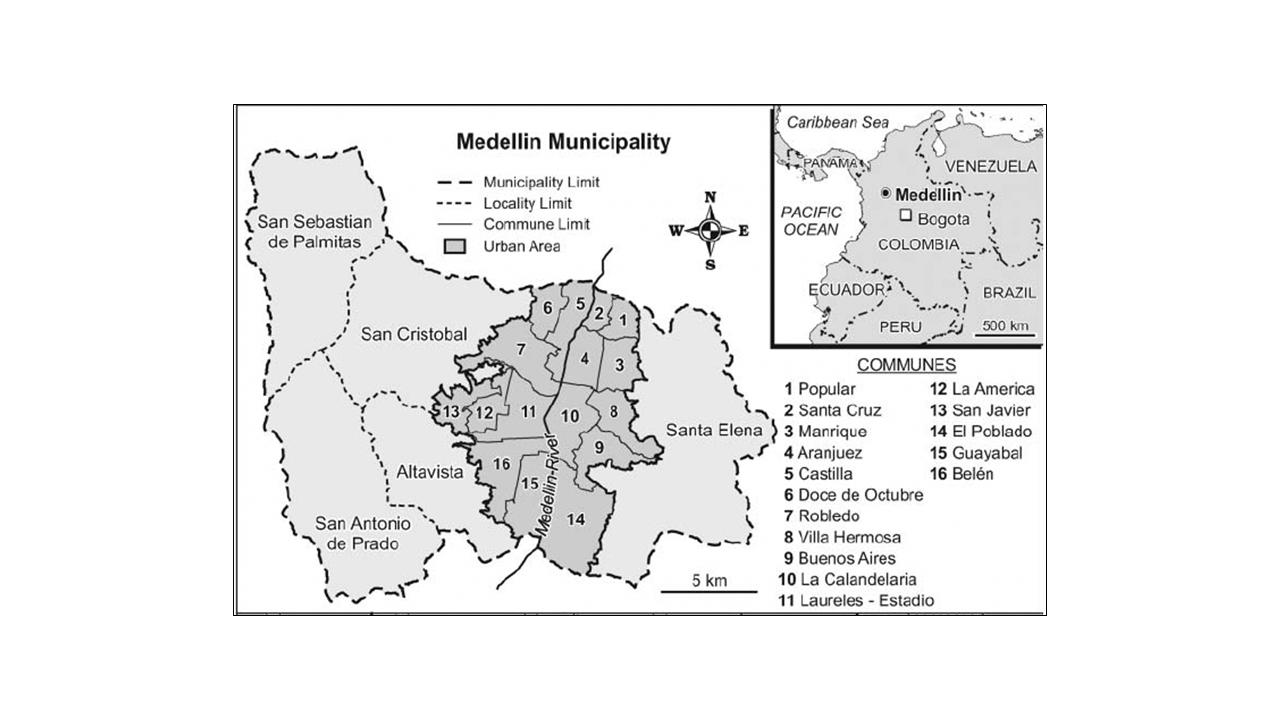
The current Colombian health system remains fragmented, though it is in the process of transitioning towards a universal and equitable coverage model for the entire territory. In this context, we propose to implement a monitoring model based on health records and other health-related data sources from the city of Medellín, a city with approximately 2.63 million residents—and the broader Aburrá Valley, which is home to around 4.25 million inhabitants.
The capture–recapture method to estimate both the incidence and prevalence of type 1 diabetes (T1D) in Medellín and the Aburrá Valley is currently being applied. The approach requires compiling a census of all T1D cases recorded in each data-generating center (e.g., hospitals, outpatient clinics, laboratories, pharmacies), even when the data sources are incomplete. Since each center provides only a fragment of the total cases, the capture–recapture method allows estimation of the total number of cases by combining these partial records. Using statistical models, it becomes possible to generate more accurate estimates of the epidemiological indicators of interest.